

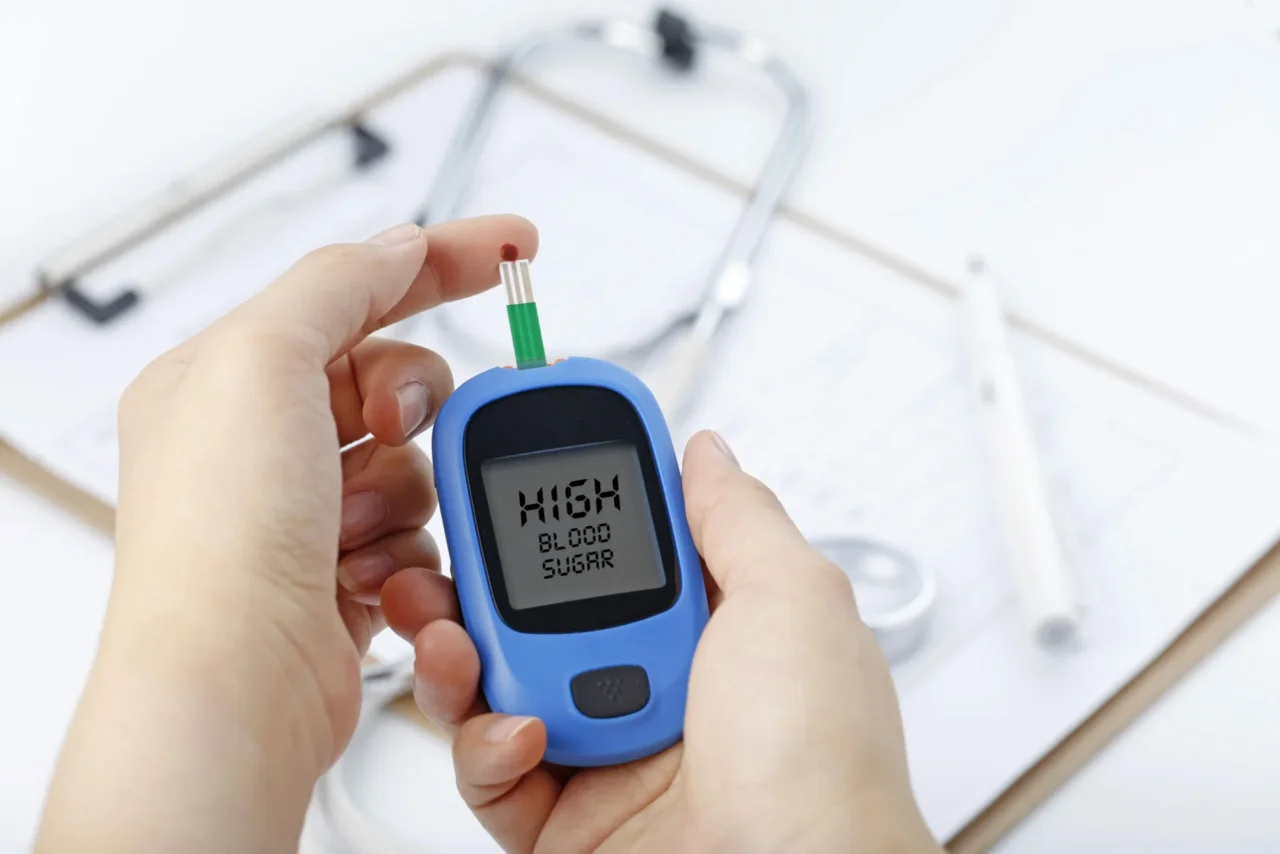
Diabetes and Your Ears: The Health Connection Most People Miss
When managing diabetes, you are likely already routine-checking your eyes, feet, and heart. But did you know there is another vital checkup you should add to your health checklist? Your hearing.
While it is a lesser-known complication, research has revealed a powerful link between blood sugar and auditory health. According to Center for Disease Control (CDC), hearing loss is twice as common in adults living with diabetes compared to those without the condition.
Statistics Canada reports that a vast majority of Canadians with hearing loss are completely unaware of it. Because the relationship is so strong, Canadian hearing health advocates recommend that individuals receive an initial hearing evaluation as soon as they receive a diabetes diagnosis.
How Does Diabetes Affect Hearing?
The relationship between diabetes and hearing loss comes down to biology and circulation. Our inner ears are home to highly delicate nerves and tiny hair cells that transform sound waves into the signals your brain interprets as speech or music.
To work effectively, this sophisticated system relies on a steady, healthy supply of oxygen and nutrients. Here is how fluctuating blood sugars disrupt that process:
- High Blood Sugar: Over time, elevated glucose levels can damage the microscopic, fragile blood vessels and nerves inside the inner ear. This starves the auditory system of necessary blood flow, causing gradual, permanent hearing impairment.
- Low Blood Sugar: Frequent drops in blood sugar can also cause damage by disrupting how nerve signals travel from your inner ear up to your brain.
Because this damage happens gradually, many people adapt to it without realizing they are losing their hearing. They might simply think people are mumbling or blame a noisy room. You can learn more by reading the educational material of the Audiology Project.
A Two-Way Street: Investigating Both Sides
Because these health conditions are so closely intertwined, checking on one can actually help catch or manage the other:
- If you have diabetes: Proactively book a baseline hearing assessment. Getting your hearing checked regularly ensures that changes are caught early, protecting your communication, balance, and long-term quality of life.
- If you have unexplained hearing loss: If you or a doctor notice sudden or gradual hearing loss, it is a smart idea to ask your primary care provider for a routine screening, such as an A1C blood sugar check. Your ears are highly sensitive to your vascular system, and hearing changes can sometimes act as an early warning sign of underlying metabolic changes.
A Message for Families and Loved Ones
It is often the family members who first notice a loved one’s hearing is slipping. You might notice they turn the television up too loud, miss phone alerts, or frequently ask you to repeat yourself.
If your spouse, parent, or relative lives with diabetes, encouraging them to get a comprehensive hearing test is a profound way to advocate for their health. Better yet, consider booking a screening together. Normalizing hearing health as a routine part of overall wellness keeps your whole family safely connected and thriving.
Ready to check in on your hearing health?
Contact our clinic today to schedule a routine hearing screening for yourself or a loved one.
